Finding Beauty in Difficult Times: Art for Healing
- Annie Heath
- Jul 14
- 4 min read
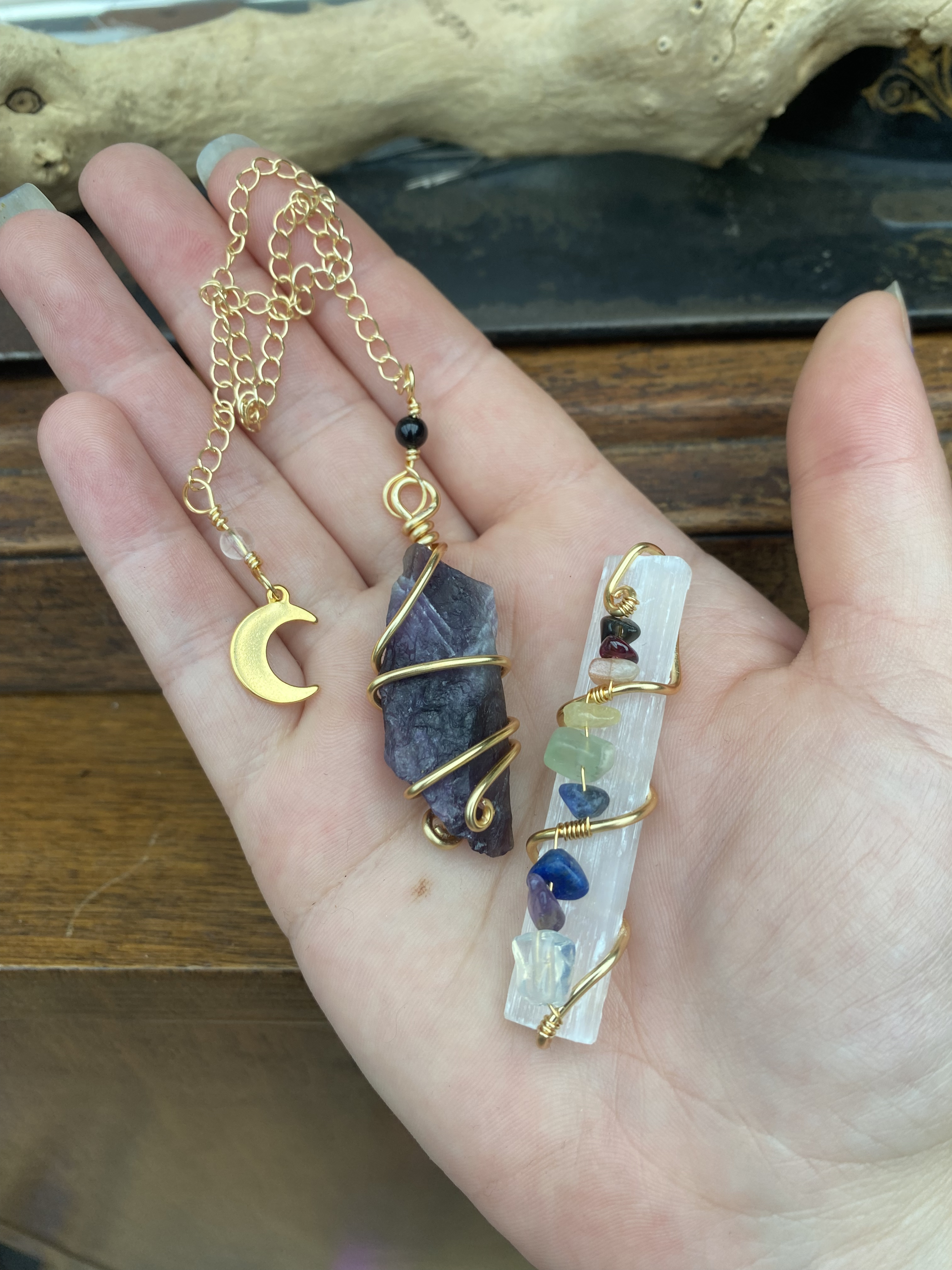
Art has an incredible ability to heal. In times of distress, whether due to personal struggles, societal issues, or global crises, engaging with art can provide solace and a sense of connection. This blog post explores how art serves as a powerful tool for healing, offering practical insights and examples to inspire you to find beauty even in the most challenging circumstances.

The Healing Power of Art
Art has been used as a form of expression and healing for centuries. From ancient cave paintings to modern installations, the act of creating or engaging with art can foster emotional release and promote mental well-being. Here are some ways art can aid in healing:
Emotional Expression
Art allows individuals to express feelings that may be difficult to articulate. Whether through painting, drawing, or sculpting, the creative process can serve as a therapeutic outlet. For example, a person dealing with grief might find comfort in painting their emotions onto a canvas, transforming pain into something tangible.
Mindfulness and Presence
Engaging with art encourages mindfulness. When you focus on creating or appreciating art, you immerse yourself in the present moment. This practice can reduce anxiety and promote a sense of calm. Activities like coloring, painting, or even visiting a gallery can help ground you in the here and now.
Community and Connection
Art can foster a sense of community. Participating in group art projects or workshops can create bonds among individuals who share similar experiences. This connection can be particularly healing for those feeling isolated or alone. For instance, community mural projects often bring together diverse groups to collaborate on a shared vision, promoting unity and healing.
Different Forms of Art for Healing
Art comes in many forms, each offering unique benefits. Here are some popular mediums that can facilitate healing:
Visual Arts
Visual arts, including painting, drawing, and sculpture, are perhaps the most recognized forms of art therapy. They allow for personal expression and can be incredibly cathartic. Many therapists incorporate these mediums into their practice to help clients explore their emotions.
Music
Music has a profound impact on our emotions. Listening to or creating music can evoke feelings of joy, sadness, or nostalgia. Music therapy is a recognized practice that uses music to address emotional, cognitive, and social needs. For example, a person might find comfort in playing an instrument or singing, allowing them to process their feelings through sound.
Dance and Movement
Dance therapy encourages individuals to express themselves through movement. This form of art can release pent-up emotions and promote physical well-being. Whether in a structured class or a spontaneous dance session at home, moving your body can be liberating and healing.
Writing
Writing can be a powerful tool for reflection and healing. Journaling, poetry, and storytelling allow individuals to articulate their thoughts and feelings. Writing about experiences can provide clarity and help process complex emotions. For instance, a person might write a letter to their past self, offering forgiveness and understanding.
Practical Tips for Using Art as a Healing Tool
Incorporating art into your healing journey can be simple and rewarding. Here are some practical tips to get started:
Create a Dedicated Space
Set up a space in your home where you can create art without distractions. This could be a corner of a room with your supplies readily available. Having a designated area can make it easier to engage with your creative side regularly.
Experiment with Different Mediums
Don’t limit yourself to one form of art. Experiment with various mediums to discover what resonates with you. Try painting, drawing, writing, or even crafting. The goal is to find what feels most therapeutic for you.
Join a Class or Workshop
Consider joining a local art class or workshop. This can provide structure and introduce you to new techniques while connecting you with others who share your interests. Many community centers and art studios offer classes for all skill levels.
Set Aside Time for Creativity
Make creativity a priority in your life. Schedule regular time for artistic activities, whether it’s a few minutes each day or a longer session once a week. Consistency can help you develop a routine that supports your healing process.
Share Your Work
Sharing your art with others can be a powerful experience. Whether through social media, local exhibitions, or simply with friends and family, sharing your creations can foster connection and validation. It can also inspire others to explore their own creativity.
Real-Life Examples of Art for Healing
Many individuals and organizations have harnessed the power of art for healing. Here are a few inspiring examples:
The Butterfly Project
The Butterfly Project is an initiative that encourages individuals to create butterflies as a symbol of hope and transformation. Participants often share their stories of loss and healing, using art to process their experiences. This project has brought together communities and provided a platform for healing through creativity.
The Mural Project
In various cities, mural projects have emerged as a way to beautify neighborhoods while fostering community spirit. These projects often involve local artists and residents collaborating to create large-scale murals that reflect their shared experiences and aspirations. The act of creating art together can strengthen community bonds and promote healing.
Art Therapy Programs
Many hospitals and mental health facilities have integrated art therapy into their treatment programs. These programs allow patients to express their feelings and cope with their circumstances through creative outlets. For example, cancer patients may participate in art therapy to process their emotions and find comfort during treatment.
Conclusion
Art is a powerful tool for healing, offering a means of expression, connection, and mindfulness. By engaging with various forms of art, you can find beauty even in difficult times. Whether you choose to paint, write, dance, or create music, the act of creating can provide solace and promote emotional well-being.
Take the first step today by setting aside time for creativity in your life. Explore different mediums, connect with others, and allow art to guide you on your healing journey. Remember, beauty can be found even in the most challenging circumstances. Embrace the transformative power of art and let it lead you toward healing and hope.


Comments